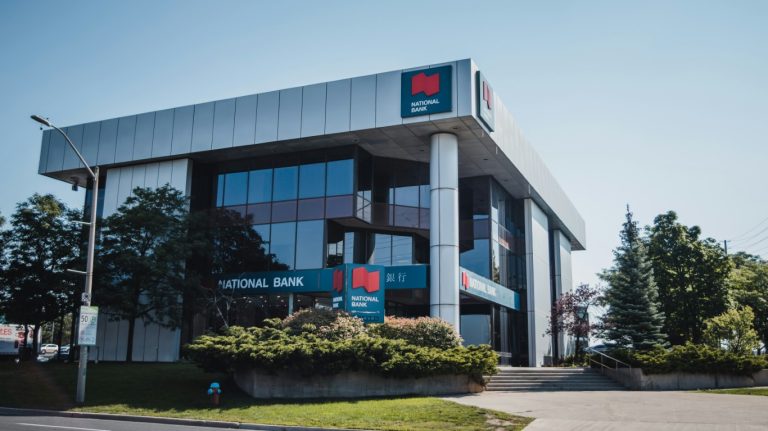
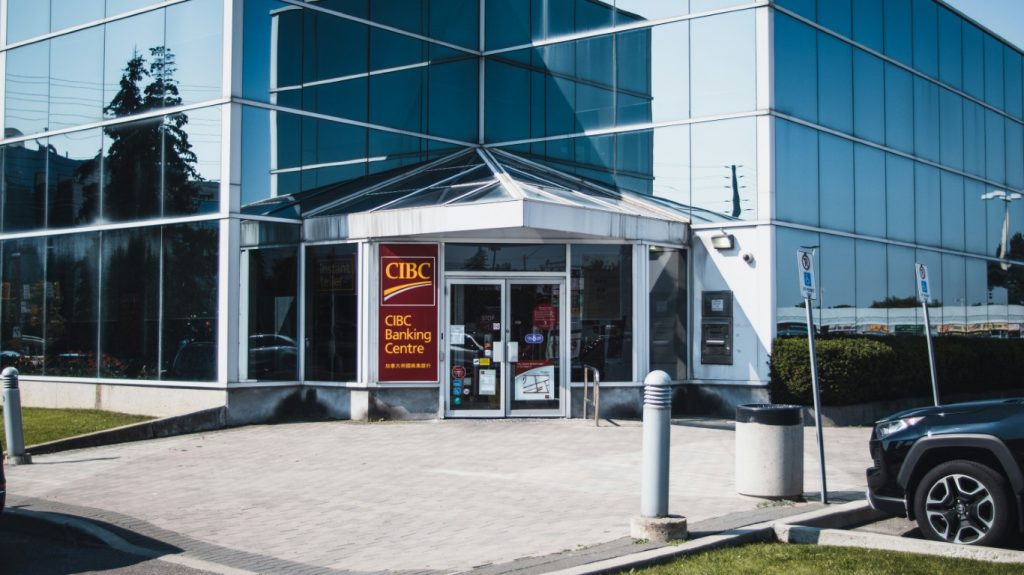
For Vancouver bank branches and credit union offices, after-hours cleaning is the only practical model — but it creates real coordination challenges. Cleaners need access to the building, security teams need to know who’s inside, and sensitive zones need protocols that protect both the bank’s information and the cleaner from accidentally crossing into them. This guide walks through the protocols that a well-run after-hours bank cleaning program should follow.
Pre-Service: Access Coordination
Before the first scheduled visit, your cleaning vendor and security team should align on three things:
- Named-individual access — security knows the specific cleaning technicians by name, with photo ID on file. Random crew rotation is not acceptable in a banking environment.
- Alarm protocols — who disarms the alarm, in what order, with what code. Most banks issue a separate cleaner-specific alarm code that gets audit-logged.
- Time windows — when entry is permitted, when exit is expected, what happens if a cleaner needs to stay later (typically requires advance notice to security).
Zone Authorization: Public, Working, and Restricted
Bank facilities have three categories of space:
- Public areas (lobby, teller line, ATM vestibule, customer restrooms) — full cleaning authorized, no special restrictions
- Working areas (back-of-house offices, break rooms, IT closets) — full cleaning authorized but with documents-untouched protocols
- Restricted zones (vaults, record rooms, executive offices) — cleaning only under escort, only on scheduled days, and only the surfaces explicitly authorized in the contract
Our crews are briefed on each facility’s zone map before the first visit, and we never expand into unauthorized zones without explicit written authorization.
Documents-Untouched Protocol
Even in fully-authorized cleaning zones, working areas often contain client documents, screens displaying sensitive information, or work-in-progress files left on desks. Professional bank cleaners follow a strict documents-untouched protocol: nothing on a desk gets moved, no papers get shifted, no screens get interacted with, and any visible sensitive information gets reported to the cleaning company’s account manager (and then to the branch manager) without being handled.
Public-Area Cleaning Standards
Customer-facing areas of a bank are brand surfaces. A poorly maintained ATM vestibule signals neglect to every customer; a streaky front glass signals the same. Your after-hours cleaning protocol should specify:
- Daily disinfection of all high-touch surfaces (door handles, PIN pads, signature pads, kiosk screens, queue stanchions)
- Daily entrance glass cleaning with streak-free finish
- Daily mat refresh and salt management during winter months
- Weekly grout brightening on customer-restroom floors
- Quarterly window-frame and signage detail
Our bank cleaning service includes all of these as standard.
Documentation That Should Arrive After Every Visit
For audit and compliance purposes, a well-run cleaning program produces a digital service log after every after-hours visit. The log should capture:
- Technician name(s) on shift
- Entry and exit timestamps
- Zones cleaned and zones skipped (with reason if a zone was skipped)
- Any issues noted (broken fixture, unusual condition, visible sensitive information reported)
- Confirmation that alarm was reset and building secured on exit
Coordinating Across Multi-Branch Networks
For credit unions and regional banks managing 5 to 50 branches, a single point-of-contact account manager dramatically simplifies operations. One person handles scheduling, complaint resolution, NDA coordination, and reporting across the entire portfolio, rather than each branch chasing its own vendor relationship. We serve multi-branch portfolios across all of Metro Vancouver with consolidated monthly reporting.
Get a Confidential Proposal
We sign NDAs before walkthroughs on request. Request a confidential bank cleaning proposal or call +1 (604) 374-7585. We respond within one business day with a transparent, fixed-rate program tailored to your facility’s security and compliance profile.