
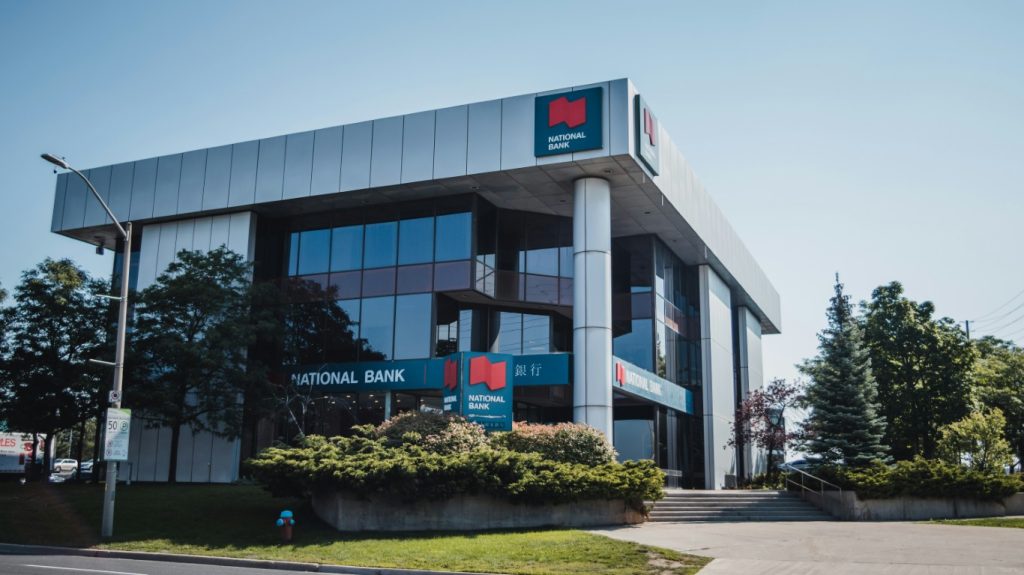
For Vancouver bank branches, credit unions, and government facilities, the cleaning contractor who shows up after hours has more facility access than most employees. That access creates two distinct categories of risk, accidental damage and employee dishonesty, and they’re covered by two different financial instruments: insurance and bonding. Understanding the difference is critical for facility managers and security teams evaluating commercial cleaning companies.
Insurance: Protection Against Accidents
Commercial general liability insurance protects against accidental damage caused during cleaning: a cleaner trips over a cord and breaks a monitor, mops too wet near electrical equipment and causes water damage, scratches a teller counter with a floor machine. The cleaning company’s insurance pays for the loss, the facility doesn’t.
Minimum coverage levels for cleaning contractors serving banks should be $2 million in general liability plus separate WorkSafeBC coverage for worker injuries. Higher-value facilities (large branches, multi-floor government offices) often require $5 million or more. Always ask for a Certificate of Insurance naming your organization as additional insured, not just a generic certificate.
Bonding: Protection Against Employee Dishonesty
A fidelity bond (sometimes called an employee dishonesty bond or “janitorial bond”) protects against theft or financial loss caused by the cleaning company’s employees. If a cleaner pockets cash left on a desk, takes a laptop, or accesses information they shouldn’t, the bond pays the facility for the loss up to the bond’s limit.
For bank and government cleaning contracts, bond amounts of $100,000 to $500,000 are typical, depending on the facility’s exposure. Higher exposure (handling-cash-on-counter environments, secure document zones) justifies higher bond limits.
Why You Need Both, Not Either-Or
Bonding and insurance cover completely different categories of risk. A bonded but uninsured cleaner can compensate for theft but not for the dropped TV. An insured but unbonded cleaner can replace the broken fixture but not the missing cash. Bank branch managers and government facility administrators should verify both, and reject any cleaning vendor that has one without the other.
Background Checks: The Third Pillar
Beyond bonding and insurance, sensitive facilities should require CPIC (Canadian Police Information Centre) background checks on every cleaning technician before their first shift. Reputable Canadian commercial cleaners run CPIC at hire, document the check in HR files, and re-screen periodically. Our bank cleaning service uses CPIC-cleared, bonded, and insured technicians with NDA capability for sensitive zones.
The Documentation You Should Ask For
- Current Certificate of Insurance ($2M+ liability) naming your organization as additional insured
- Current Fidelity Bond certificate showing bond amount and term
- WorkSafeBC clearance letter
- Written policy on employee background checks (frequency, scope, documentation)
- NDA template the cleaning company is willing to sign before first visit
- Sample after-visit service log (so you know what documentation arrives after each clean)
Red Flags from Vancouver Cleaning Vendors
Three patterns recur with low-bid vendors targeting bank and government accounts:
- “We’re insured” without willing to send a certificate naming you specifically
- “All our staff are checked” with no documented background-check policy
- Refusal to sign an NDA, or hedging when asked about facility-access protocols
Any of these is grounds to walk away.
Working with Compliance-Grade Cleaning
Vancouver Office Cleaners is bonded, fully insured, CPIC-background-checks every technician, signs NDAs on request, and provides documented digital service logs after every visit, suitable for corporate security and audit review. We serve bank branches and government facilities across Metro Vancouver, including Burnaby, Surrey, Richmond, and Coquitlam. Request a confidential proposal or call +1 (604) 374-7585.